
From Provence to Bologna to Venice:Part One.
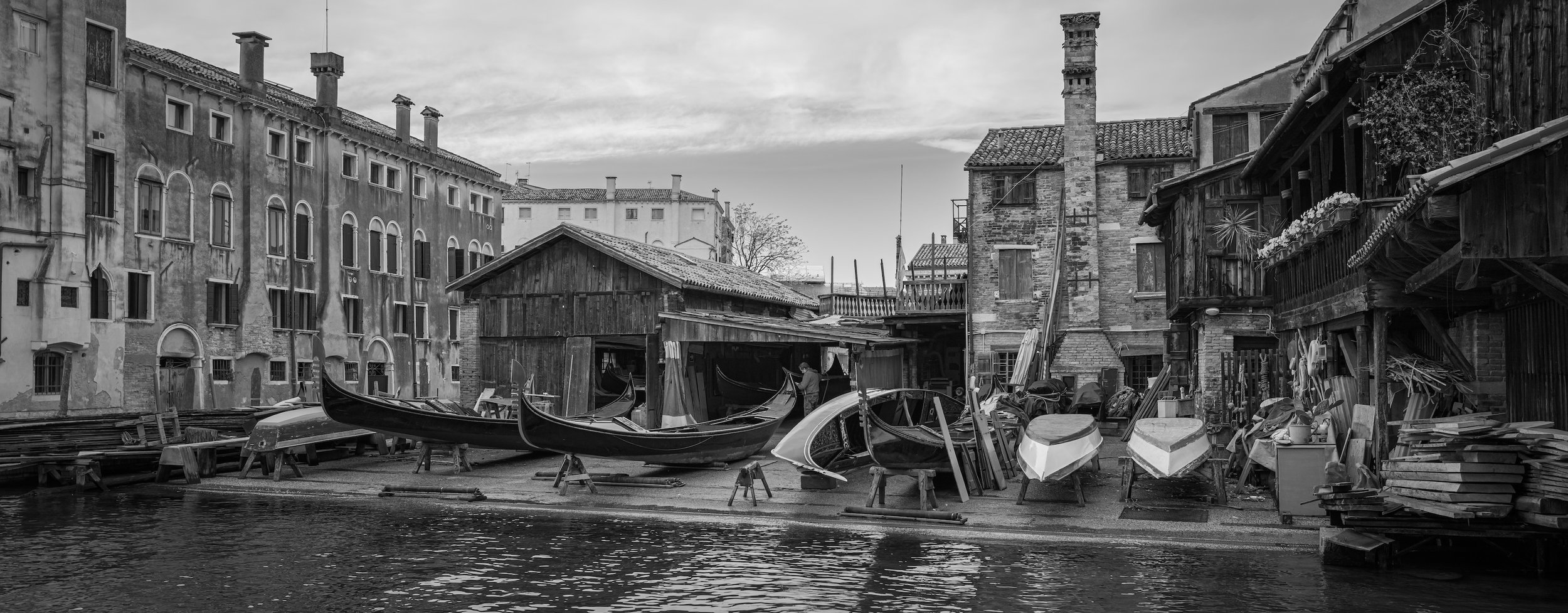
#1
25,000 Steps a day and Zero Regrets:(Even If My Knees Filed a Formal Complaint)
There ought to be a German or Swedish word for the feeling you get when you leave the quiet olive-scented embrace of Provence and suddenly find yourself standing somewhere entirely different—say, beneath a portico in Bologna, trying to remember how to pronounce tagliatelle without sounding like you’re ordering a contagious disease.
But that was us, my wife and I, a few days ago. We packed our bags, charged the Leica and Hasselblad batteries (priorities), locked up the house in the Luberon, and pointed the car east toward Italy, where the buildings are older, the desserts sweeter, and the drivers are even more philosophical about lane markings than the French. I’ve always considered this a comforting sign.

#2
Bologna: Where the Buildings Have Degrees, and the Pasta Has Tenure:
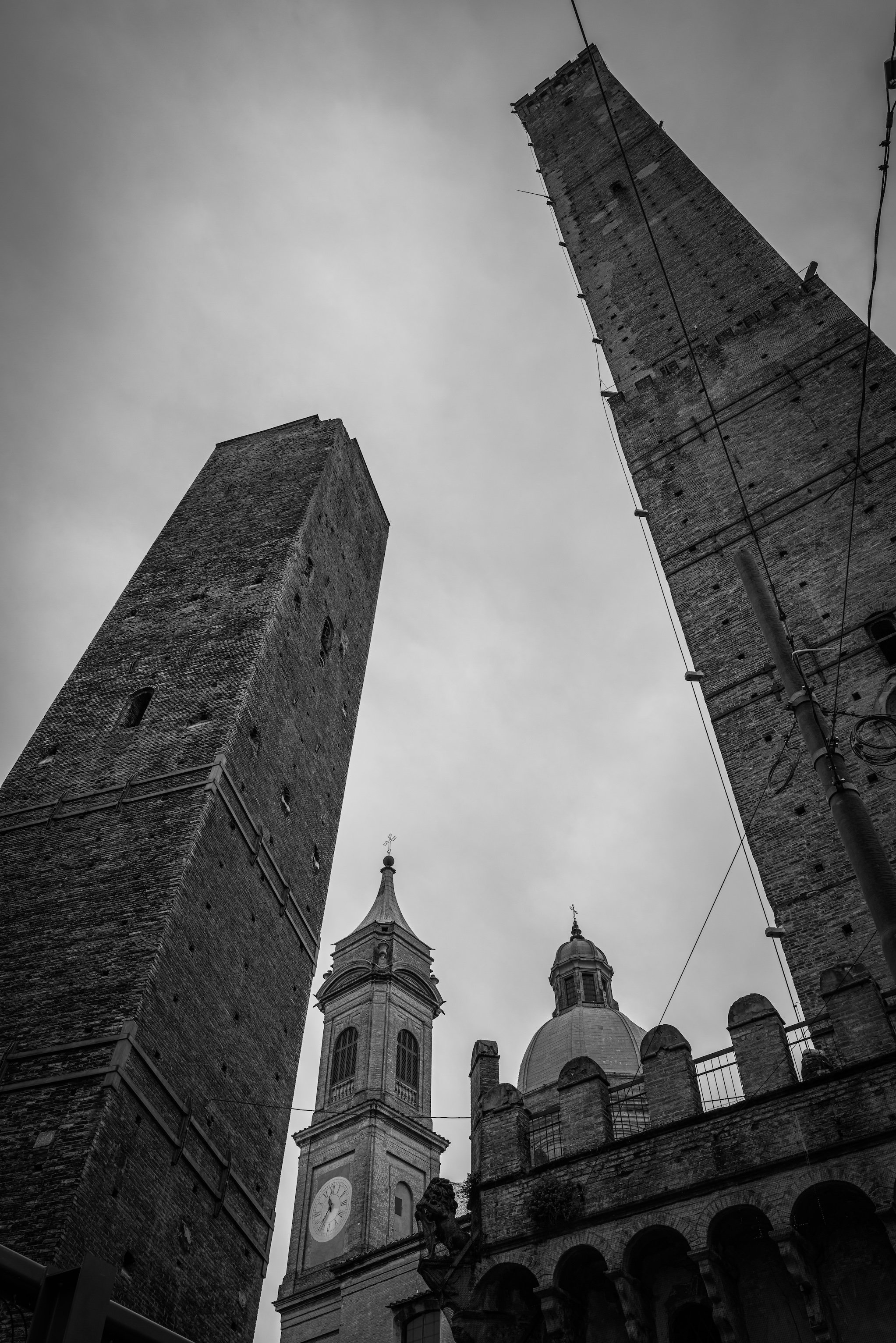
Bologna, if you’ve never been, is home to the oldest university in the world. The entire city looks like it majored in something classical and impressive. You can’t walk three metres without bumping into a colonnade that predates the time when most countries were still arguing about what shape the Earth was.
Naturally, we wandered through the old academic quarter, marvelling at the arcades, frescoes, and the general sense that at any moment a medieval scholar might appear and ask if we’d finished transcribing the goat vellum.
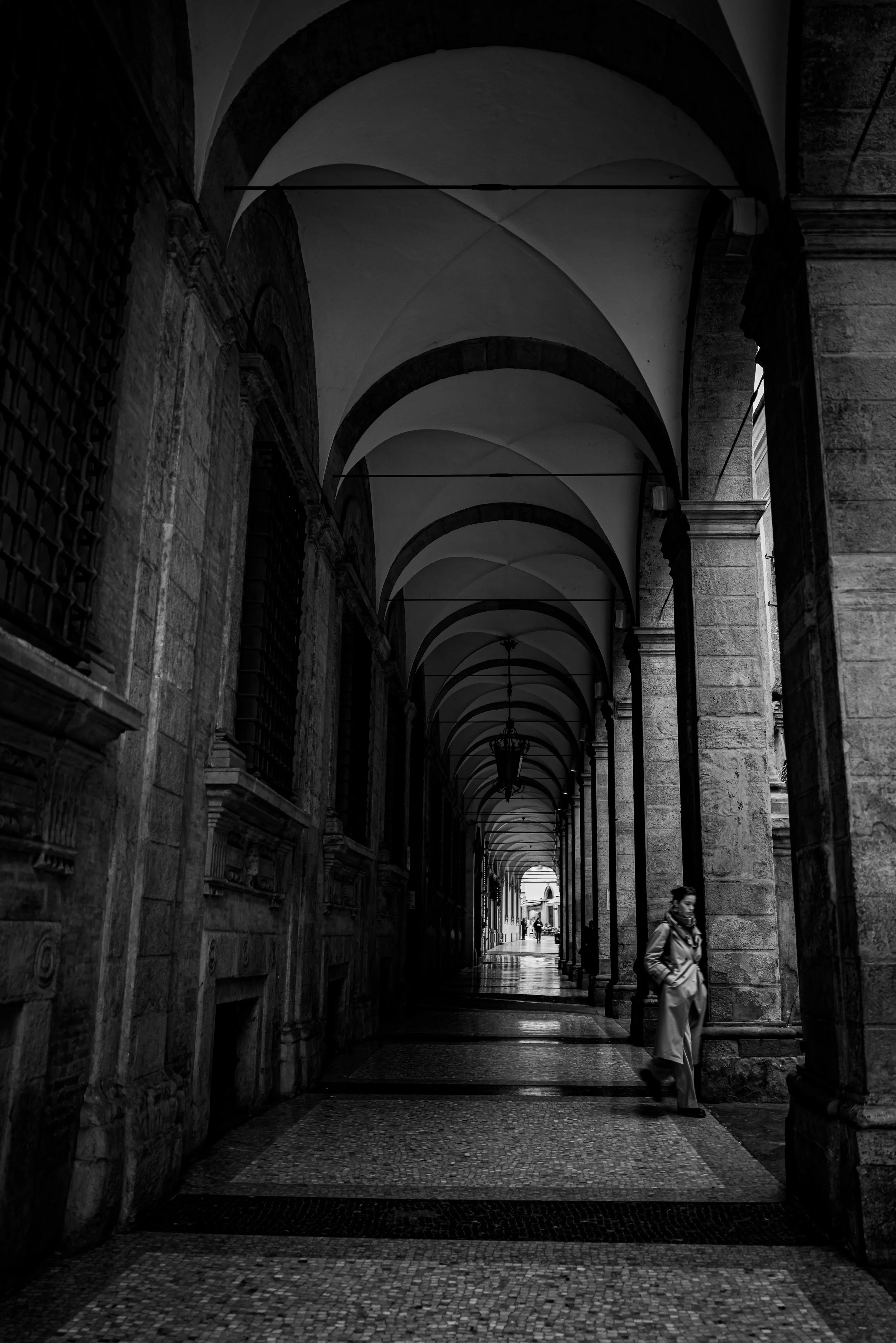
#3
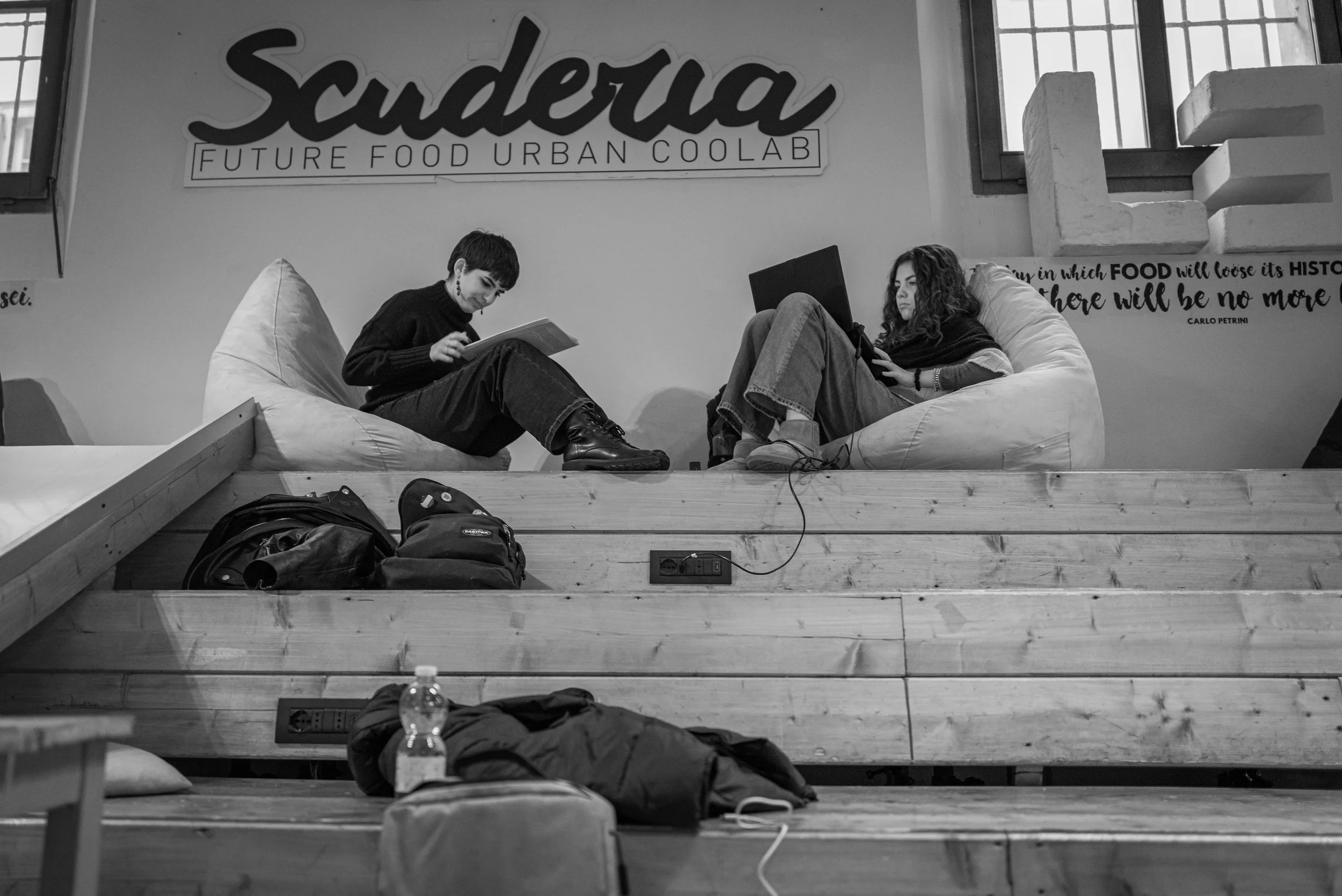
The thing about Bologna is that you don’t really sightsee so much as you drift from historic wonder to historic wonder, stopping occasionally to eat something so spectacular you briefly forget you have functioning responsibilities. Between the architecture and the pasta—dear God, the pasta—it’s difficult not to imagine why the students here never want to leave. If I had access to tagliatelle al ragù of that calibre in my early twenties, I’d still be in university too.
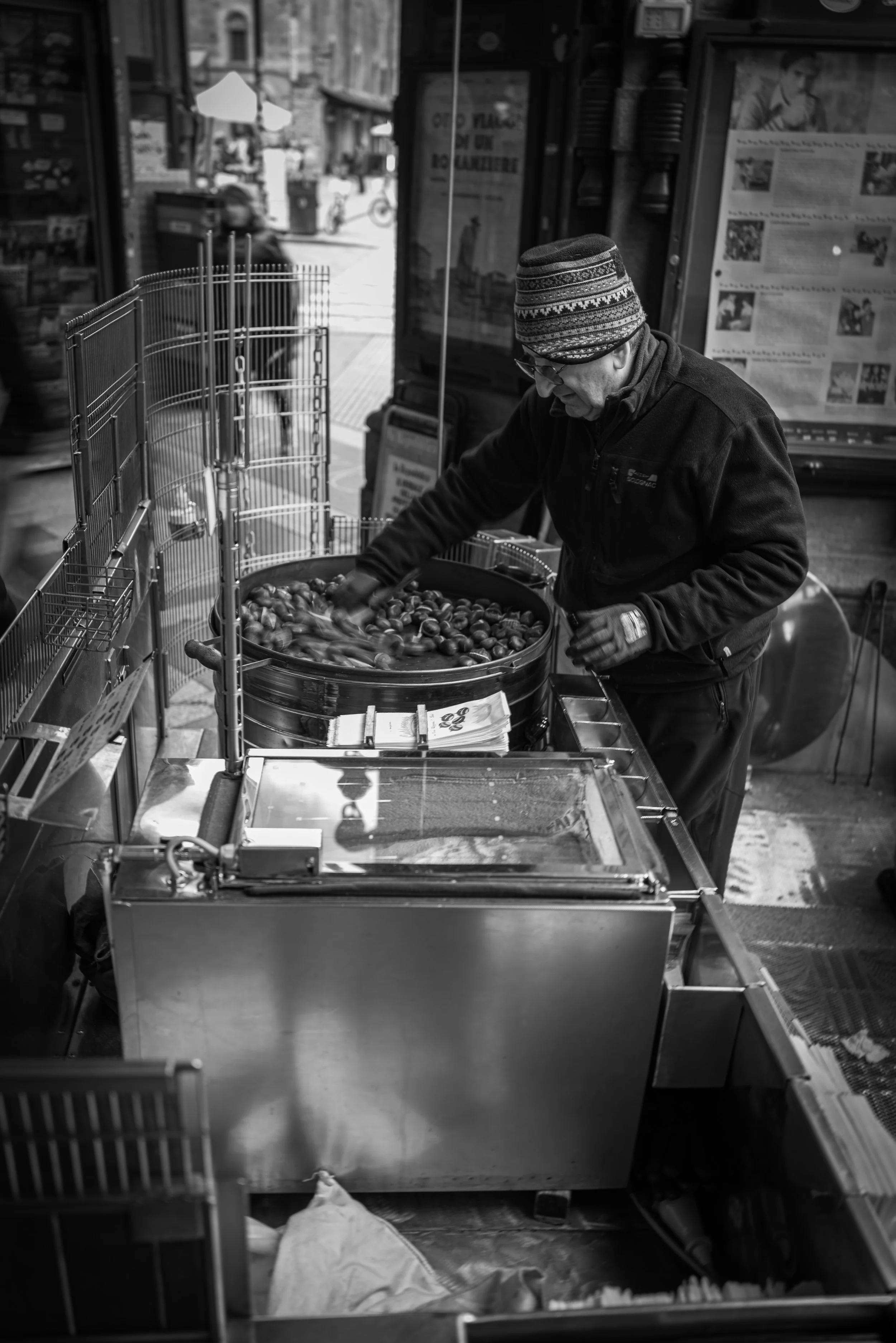
#4
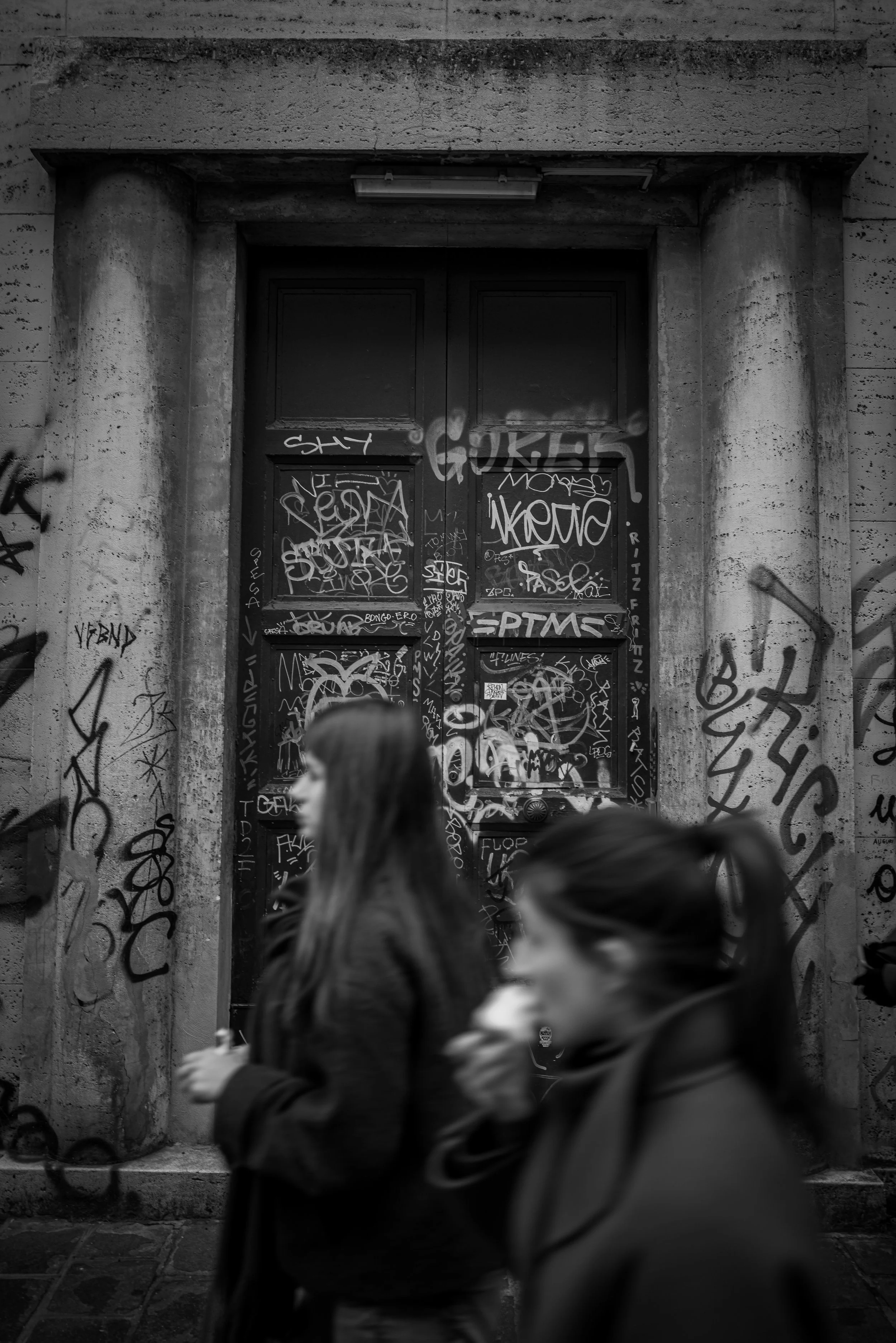
#5
After a full day of this academic-culinary bliss, we continued on to Venice, which is like departing a Renaissance textbook for a fever dream written by a genius architect who had a drinking problem and a deep love of boats.
#6
Murano: Where the Vaporetto Stops and the Real Venice Begins:
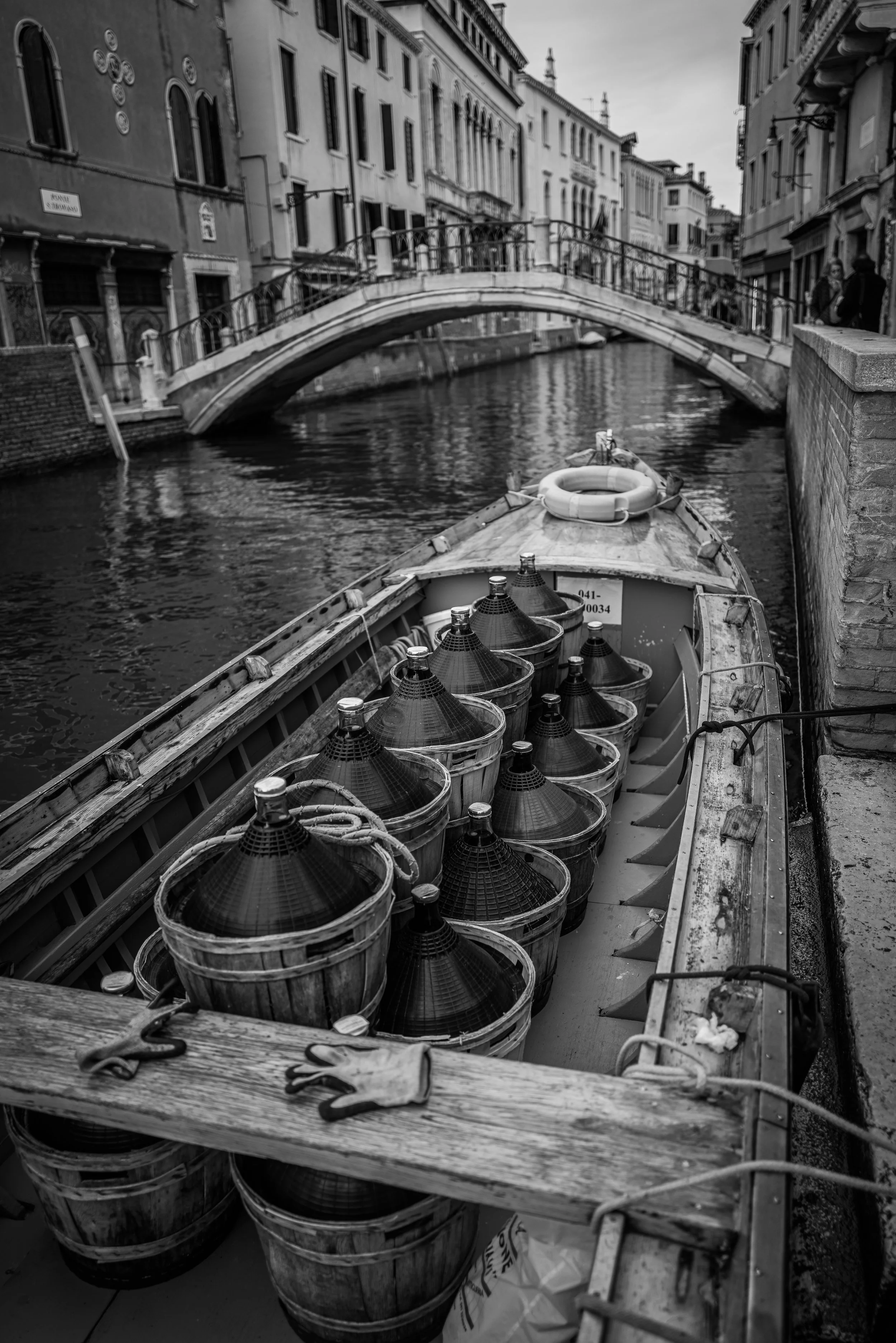
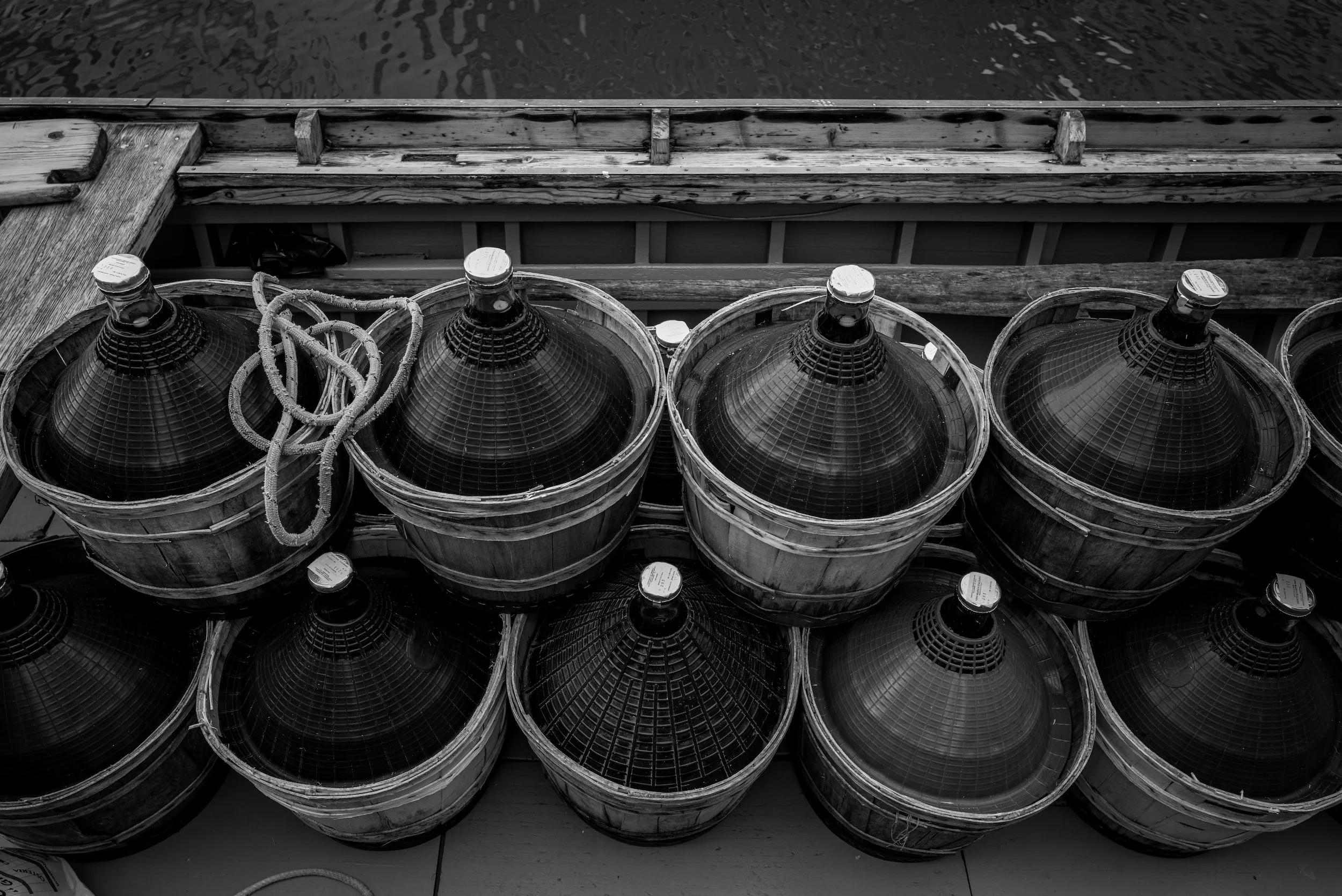
Now, let me be perfectly clear about something: we always stay on Murano. People sometimes look at me as though I’ve just declared I prefer pineapple on pizza, but truly—Murano is the secret to a perfect Venice trip.
#7 Wine delivery for Marco!
#8
By day, it offers quick passage to Venice proper by vaporetto, where you can glide onto the Grand Canal looking insufferably smug and well-prepared. But after 6 p.m., Murano undergoes a transformation that is nothing short of miraculous: the island becomes quiet. Utterly quiet. As in, “even the pigeons have clocked out and gone home” quiet.
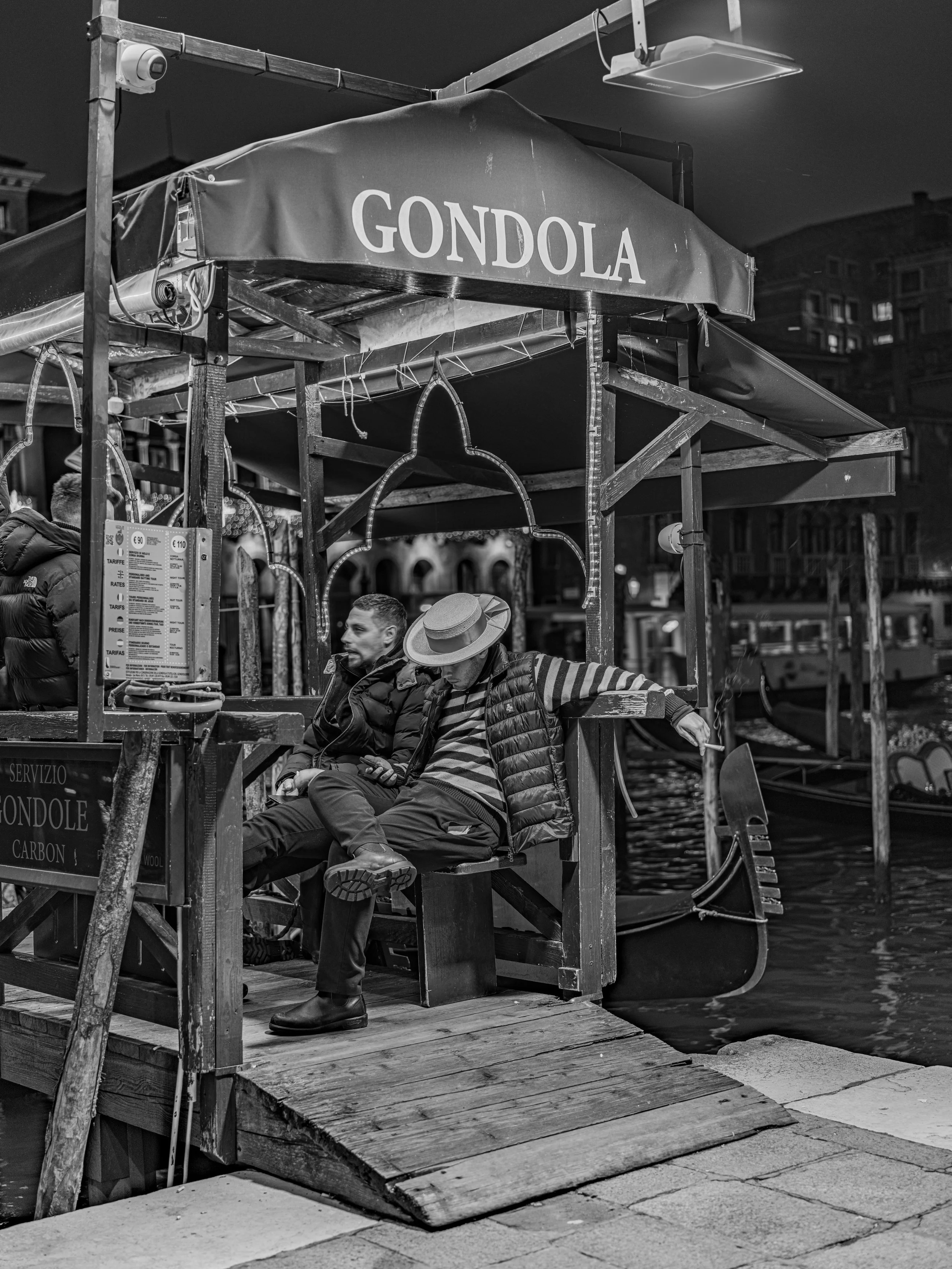
For us, this is bliss. The day winds down, the tourists disappear, and the soft glow from the glass shops spills onto the cobblestones like some sort of Venetian nightlight. Even in winter—when the wind whips across the lagoon with the enthusiasm of a bored Norse god—Murano wraps itself around you like a warm blanket. Admittedly, it’s a metaphorical blanket, because the actual air temperature could be described as “why didn’t we bring the good scarves,” but emotionally it’s very warm indeed.
#9
Venice: The Version Only Seen at 25,000 Steps a Day:
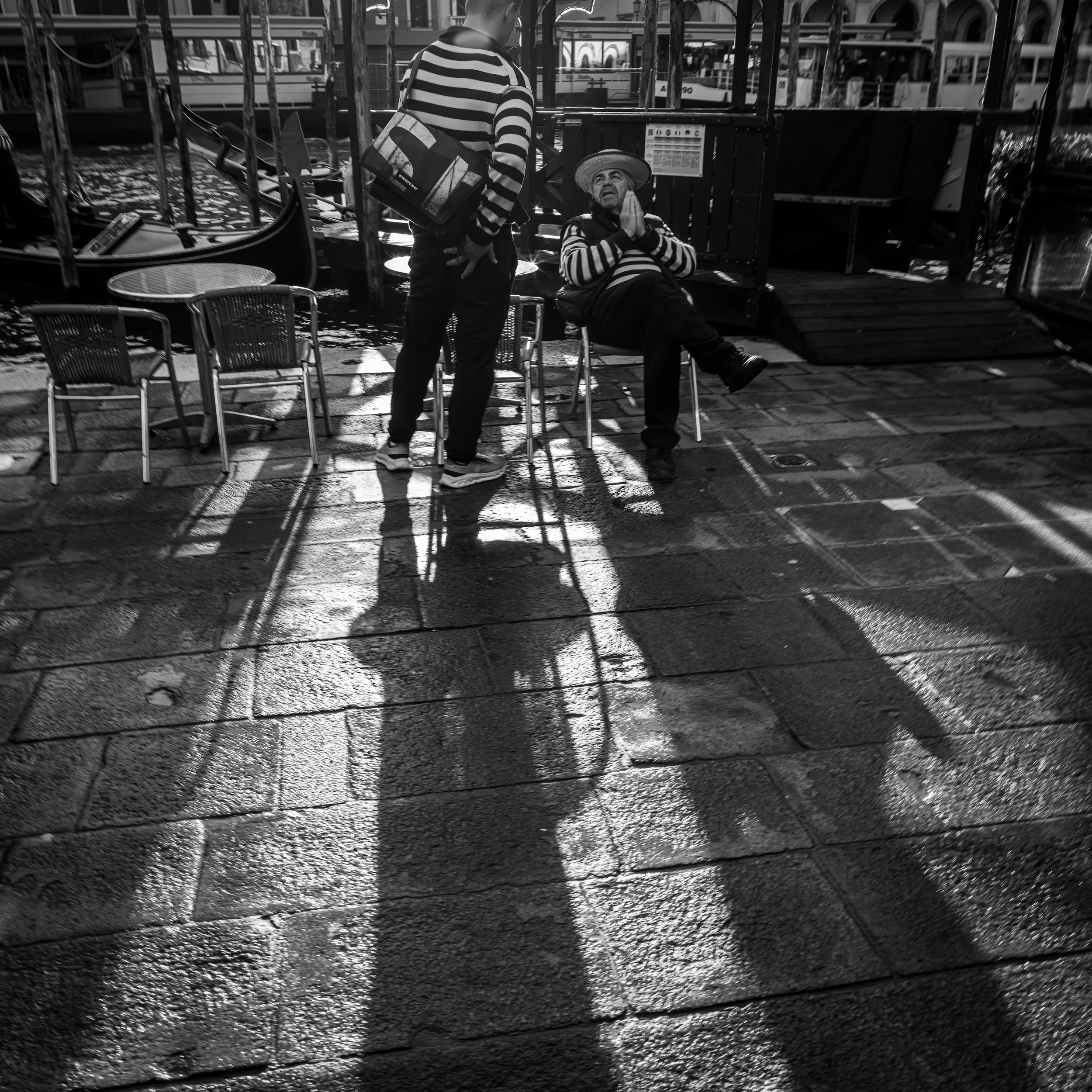
Our daily average in Venice was somewhere north of 25,000 steps, or approximately the number required to convince yourself you’re burning off the pastries you absolutely are not burning off. But walking is the only way to truly understand Venice. And I don’t mean the version seen from the Rialto Bridge, where you can overhear at least six languages all asking where the nearest gelato shop is. I’m talking about the Venice that exists several layers beyond that—the Venice that most cruise passengers, bus groups, and hurried day-trippers will never find and, frankly, couldn’t be bothered with even if handed a map and pre-paid espresso vouchers.
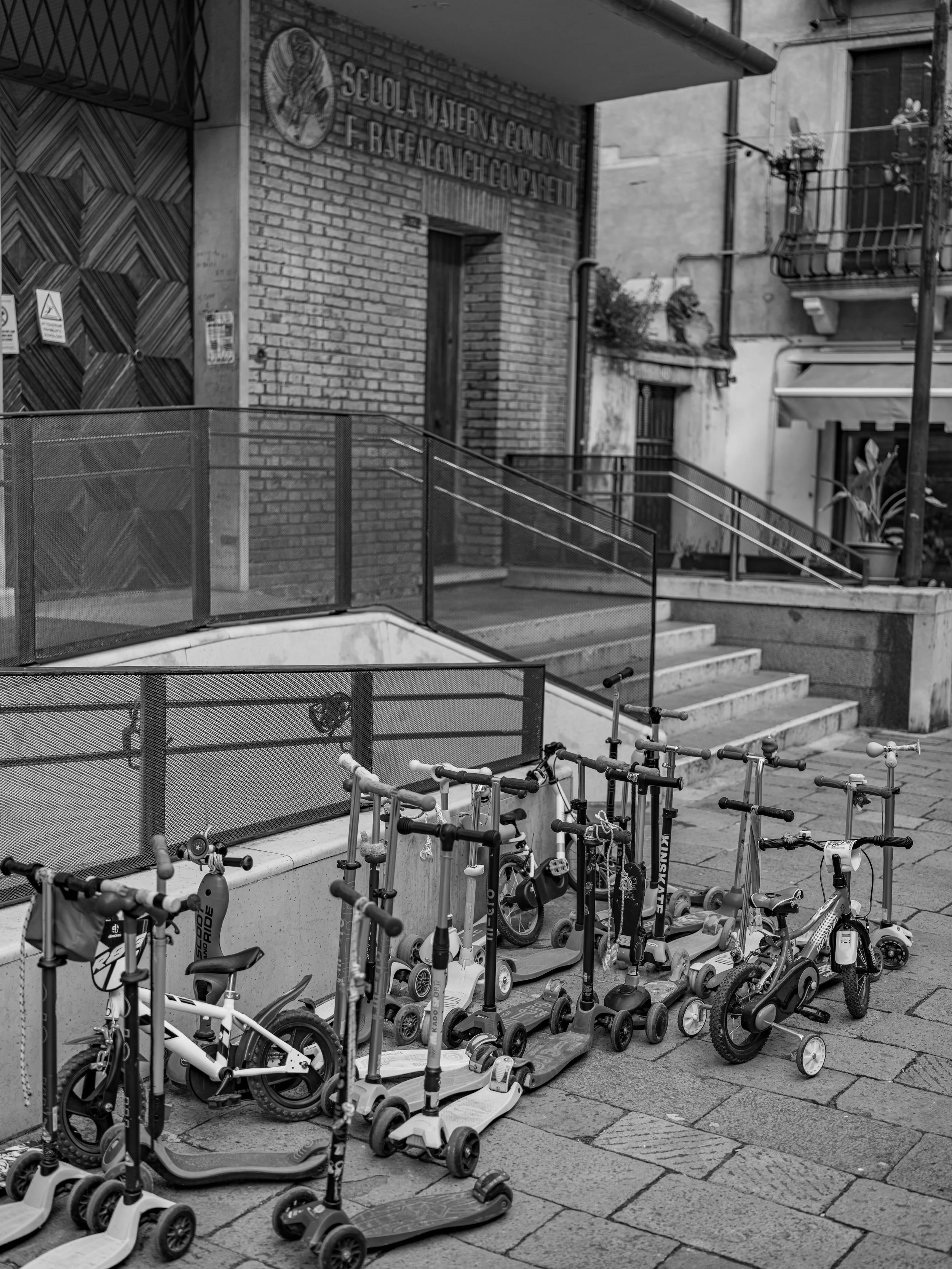
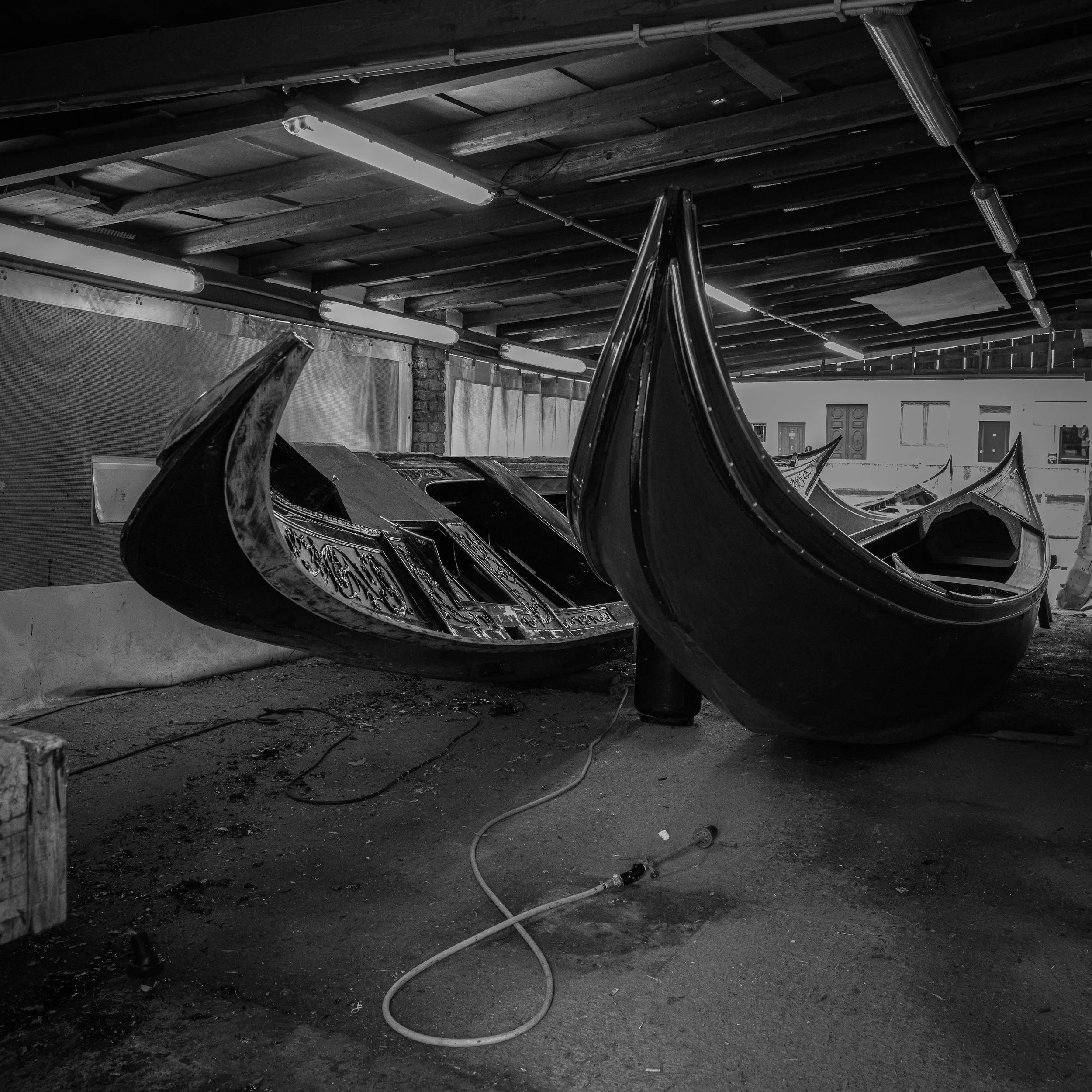
We wandered the neighbourhoods around the University of Venice, where an enormous renovation is underway. Old, disused warehouses—silent, soot-smudged remnants of another century—are being refurbished into classrooms and lecture halls. There’s something oddly touching about it: Venice reinventing itself not by dredging the canals or building new tourist zones, but by investing in knowledge. A city deciding its next act should be written by students.
#10
Then we spent hours in the Jewish Ghetto, where history sits heavy on the stones but the everyday life—children playing, neighbours gossiping, laundry fluttering—adds a warmth and humanity that many visitors miss entirely. It is one of the most rewarding parts of Venice, precisely because it asks for your attention rather than shouting for it.
#11
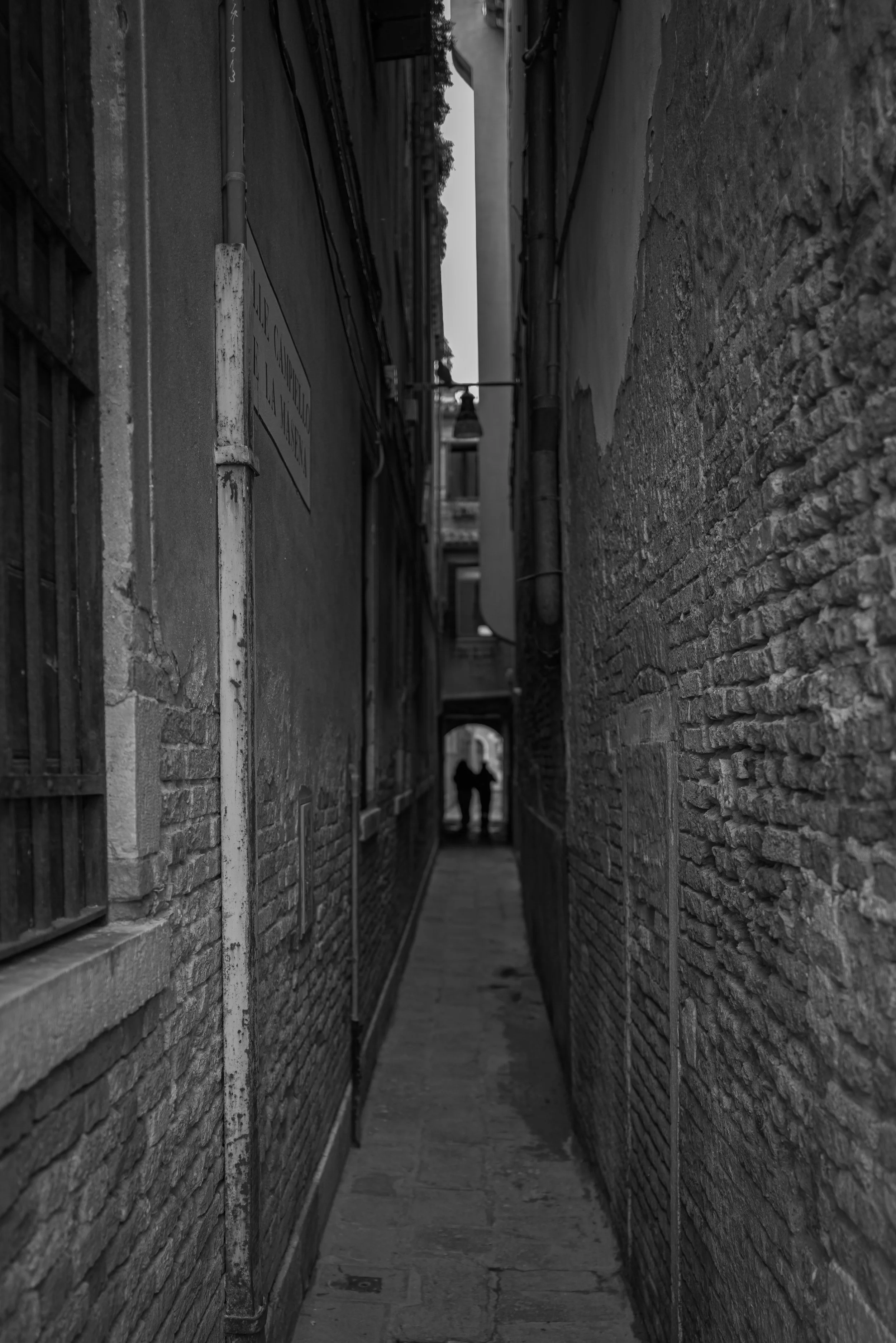
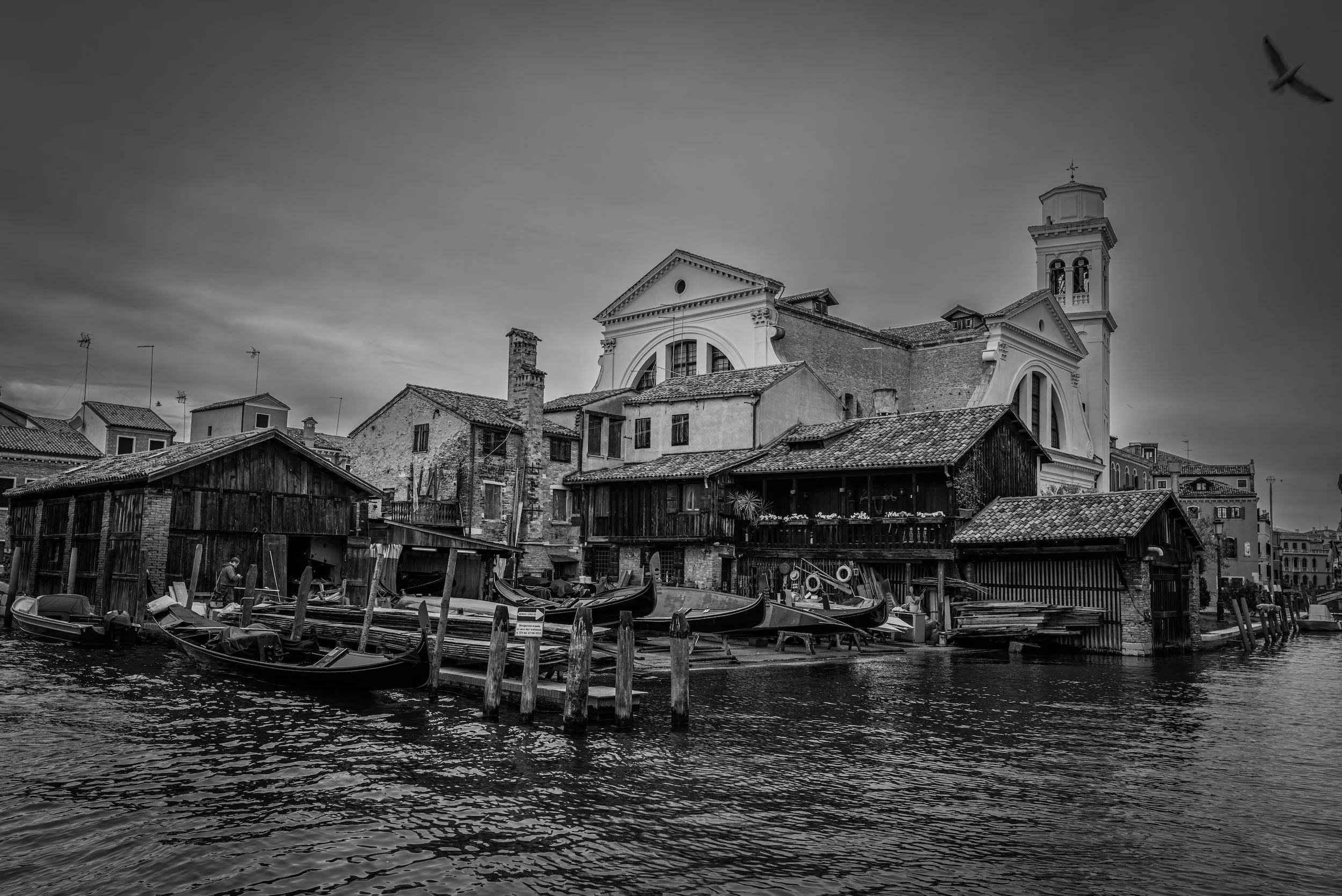
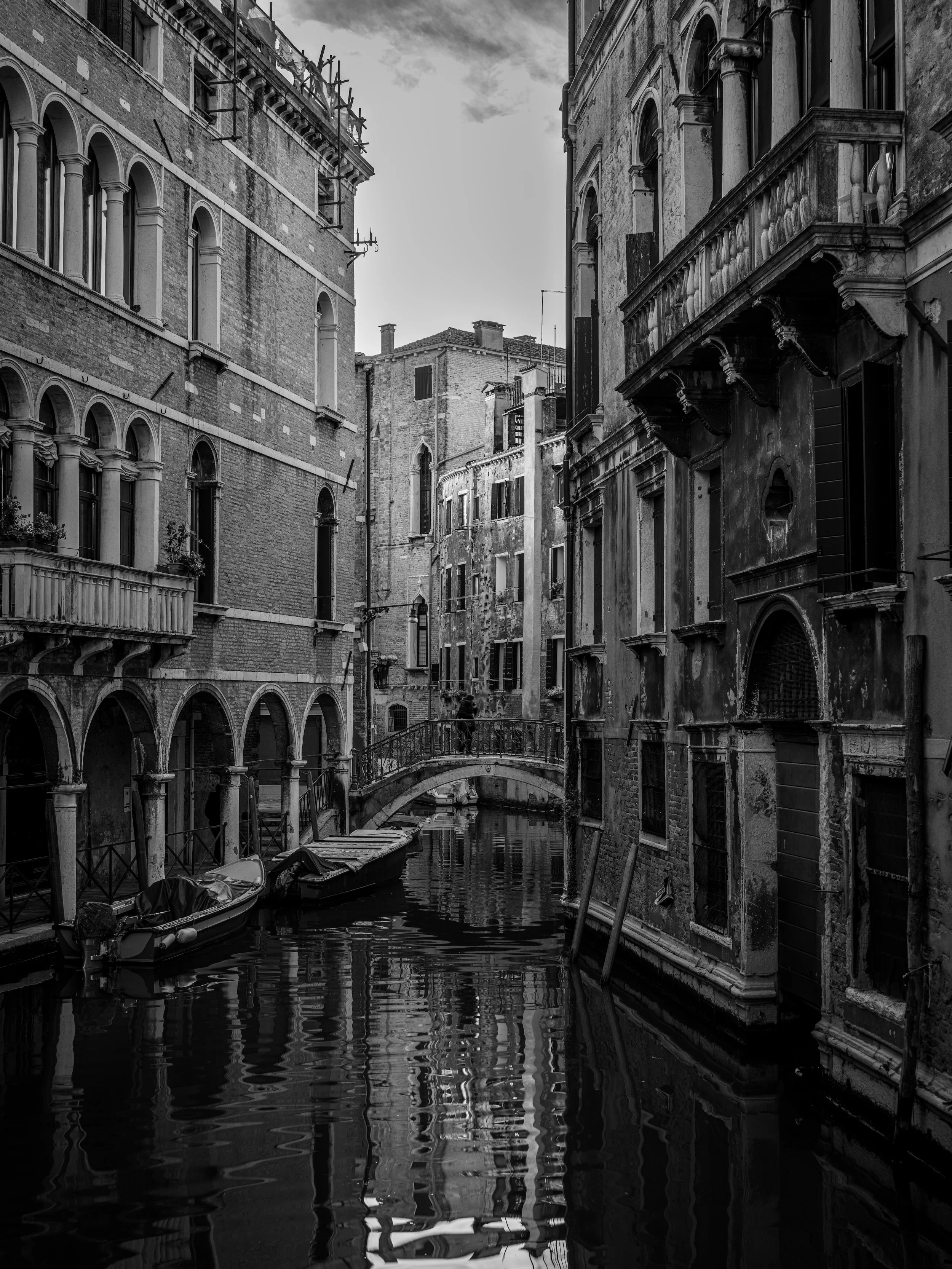
And, of course, there were the side streets. The proper side streets. The ones where Google Maps spins helplessly like a drunk compass and you are suddenly certain the path ahead is a private courtyard, a boat shed, or possibly someone’s living room. You can walk for hours like this, following nothing but curiosity and the sound of your own expensive shoes slapping water-polished stone.
I have had the pleasure and privilege to visit Venice many times. Over the years I have heard the same complaints repeated by the same kinds of people: It smells. It’s too touristy. It’s overhyped. I always nod politely, then ask them when they went, where they went, and what exactly they were sniffing at the time.
#12
#13
#14
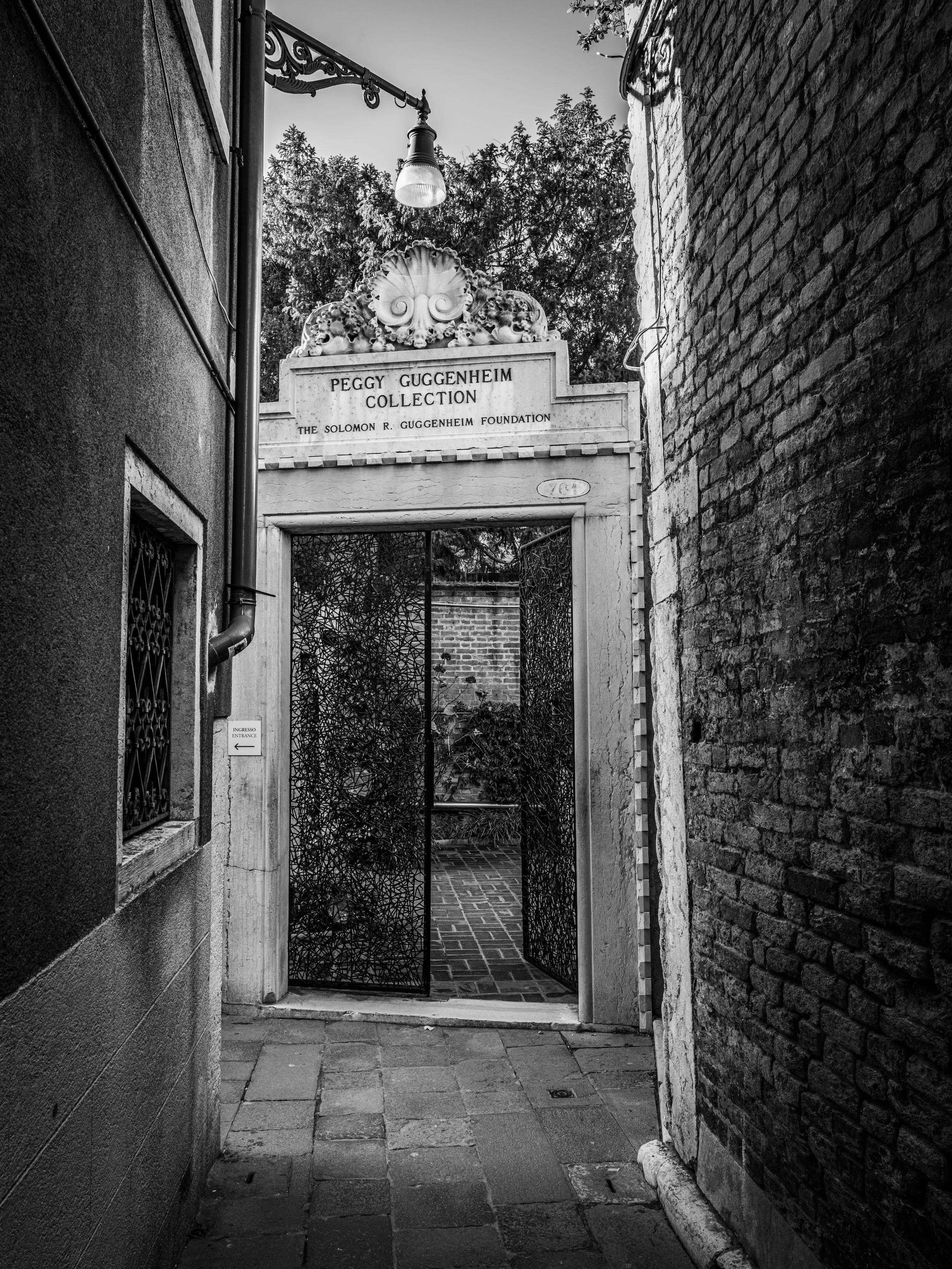
Because I must be doing something terribly wrong. I’ve visited in all seasons, all conditions, from dawn to midnight, and I’ve yet to meet the olfactory horrors these travellers speak of with such trauma. It’s as if they arrived expecting the canals to belch sulphur like a failed Victorian sewer experiment. I have never once encountered a smell in Venice that was anything worse than “air that has interacted with water.” So either I’m preposterously lucky, or they need to examine whatever they stepped in just before they formed their opinion.
#15
#16
The Part Where I Pretend This Is the End but Actually Tease You Shamelessly:
We left Venice with aching legs, happy hearts, full memory cards, and the satisfying smugness of people who walked the city the way it should be walked—slowly, curiously, and very far from the nearest selfie stick swarm. Back on Murano each evening, we sank into the comforting hush of the island, thankful for its quiet ways and warm light, as though the place itself approved of our daily explorations.
But of course, this is only part one.
Because trust me:
You’re going to want to hear about Murano itself—its glass workshops, its fiery furnaces, its artisans who can coax molten sand into shapes that border on sorcery.
And then there is the sunlit walk along the Grand Canal, one of the finest 14-hour strolls on Earth, which deserves a post all its own.
Those two stories are coming shortly, so consider this your gently waved carrot to return to WALKACROSSITALL very soon. It’s a very large carrot. Artisanally grown. Possibly hand-blown in glass.
Stay tuned.
Stay in touch.
Live well!
M.
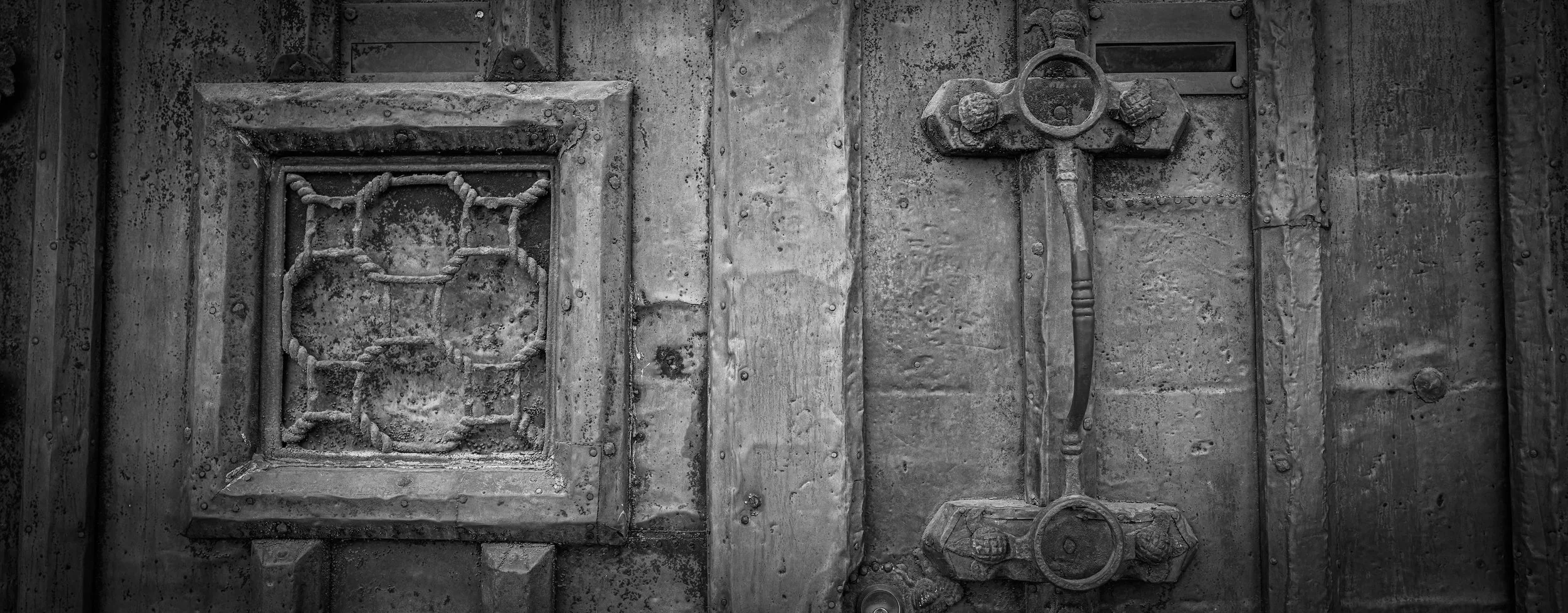
P.S. I have numbered the images. If you have a moment and feel as though one of them evokes an emotion worthy of comment, please get in touch with which one and why.
#17
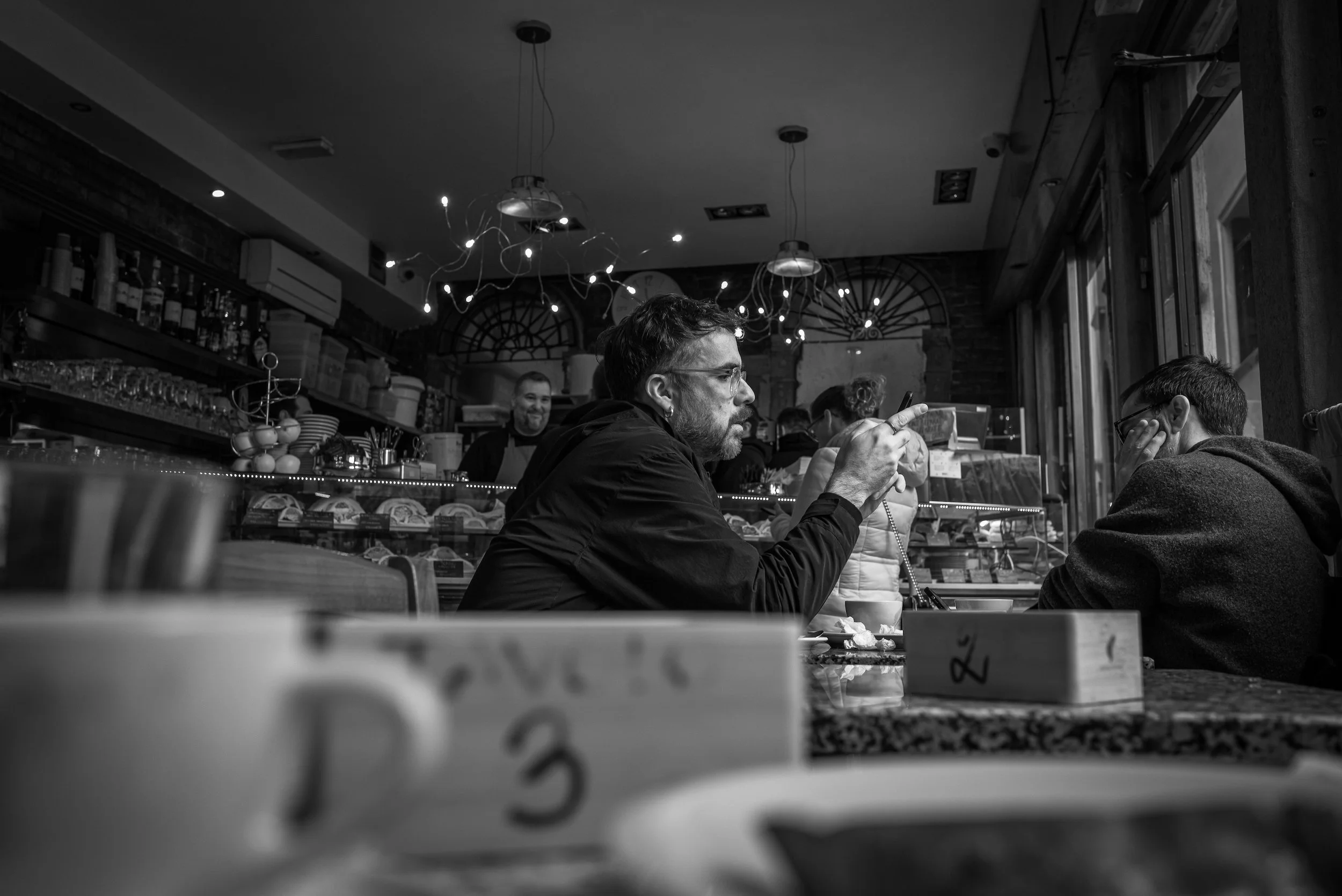
#18
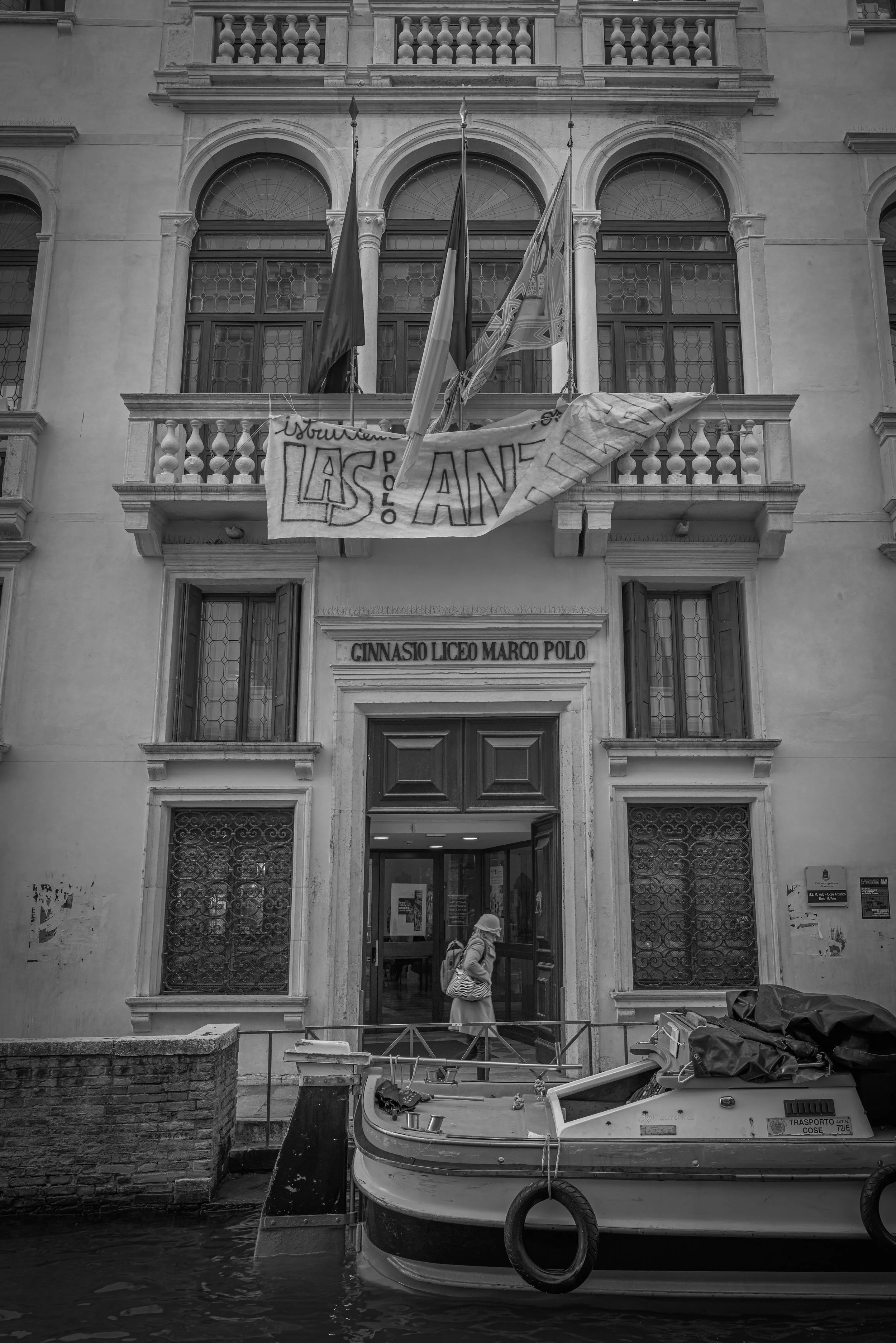
#19
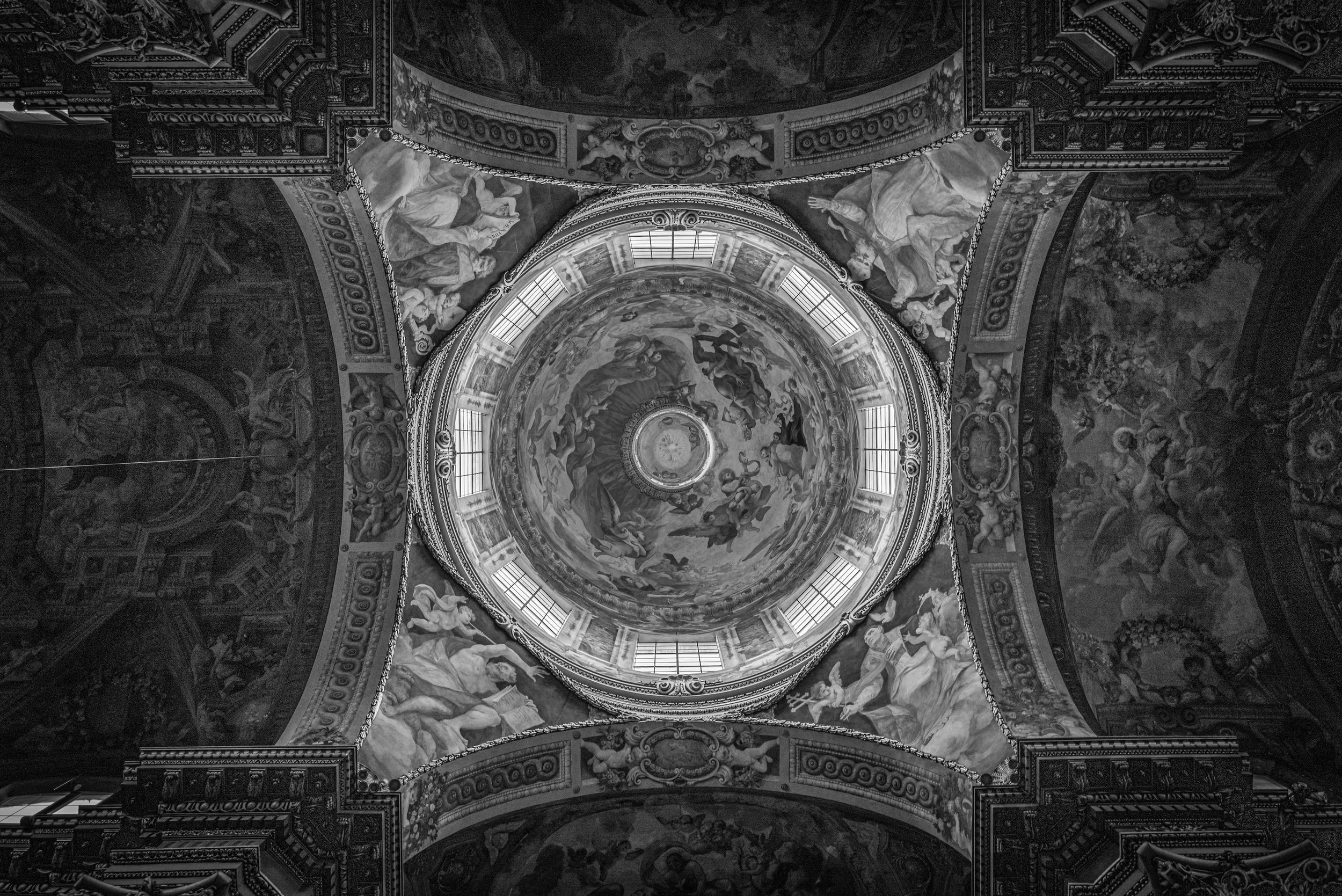
#20
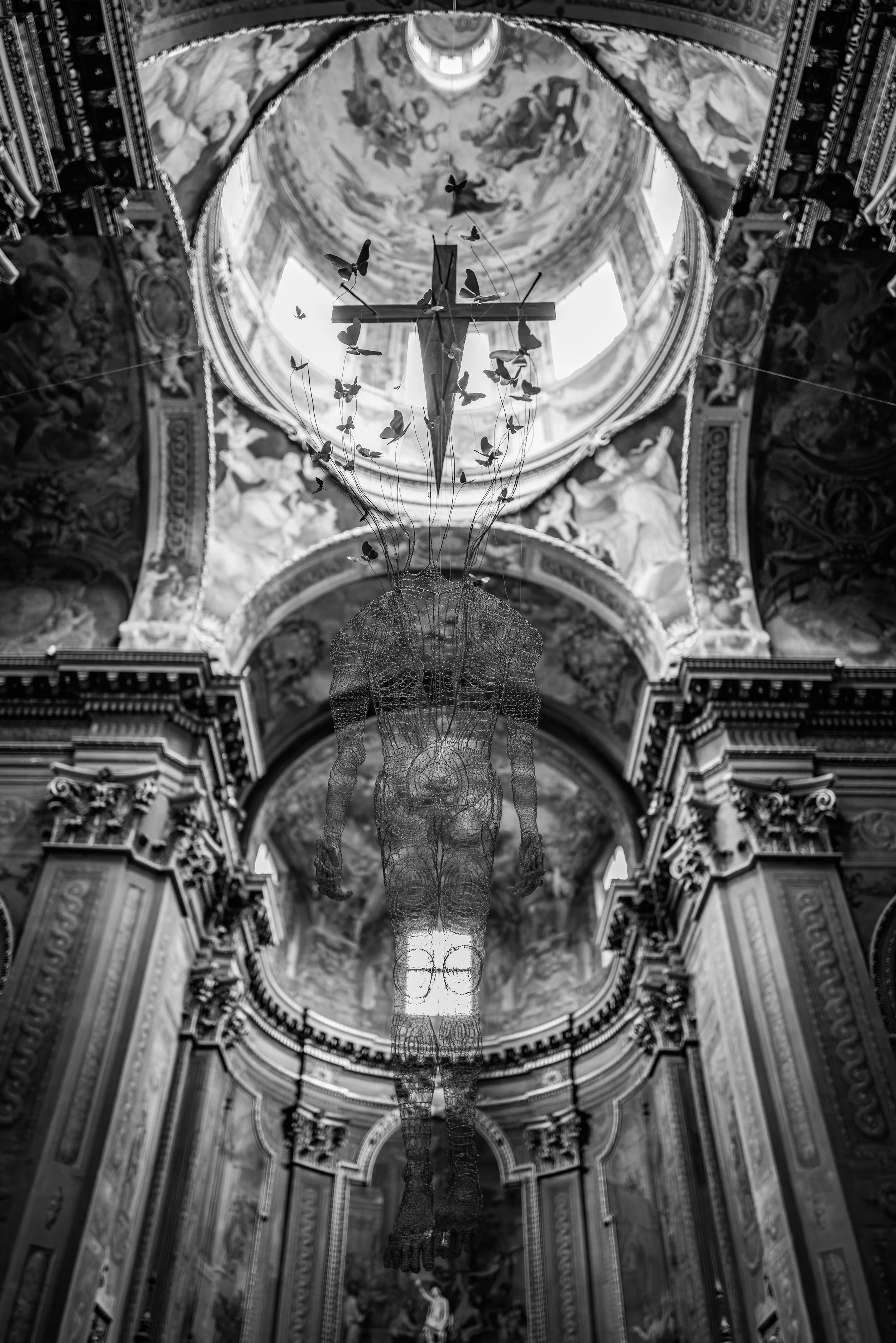
#21
#22